-
When an old hardware guide points you at the wrong chip
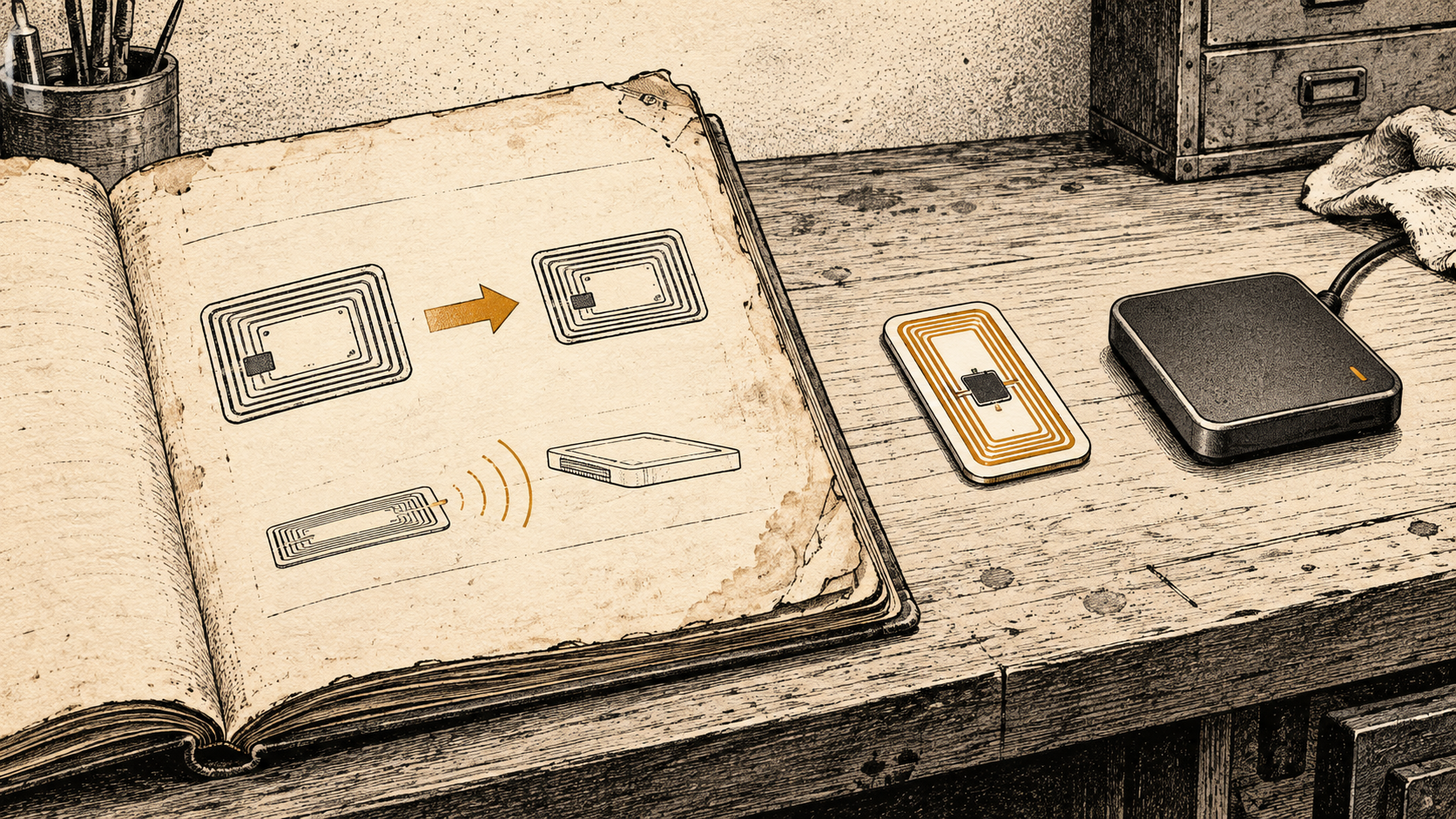
I reopened an RFID cloning project after leaving it alone for about a year. My starting point was the same guide I had used before, including a compatibility table that made Gen2/CUID tags look like the sensible thing to buy.
That choice had gone stale while the document still looked useful.
The maintained fork of the project and its 2026 test reports describe different behaviour from current AMS firmware. The reader now probes and modifies block 0 during detection. With the older Gen2/CUID tags, the act of checking what the tag is can invalidate it. A tag that once matched the guide can be a dead weight and very costly before I have done anything useful with it.
The viable options have moved on to Gen4 FUID or sealable UFUID tags. That is a small change on a parts list, but a fairly important one if I am about to buy a batch of 100 or 1000. The name printed on the listing is only one part of the compatibility question. The tag, the reader firmware and the detection behaviour all have to agree.
I had kept the old guide because it recorded a setup that had worked. It was still useful as history, but I had quietly promoted it into a current specification. The compatibility table could not tell me what later firmware had changed, and a saved product link could not tell me whether a supplier had changed the hardware in a newer lot.
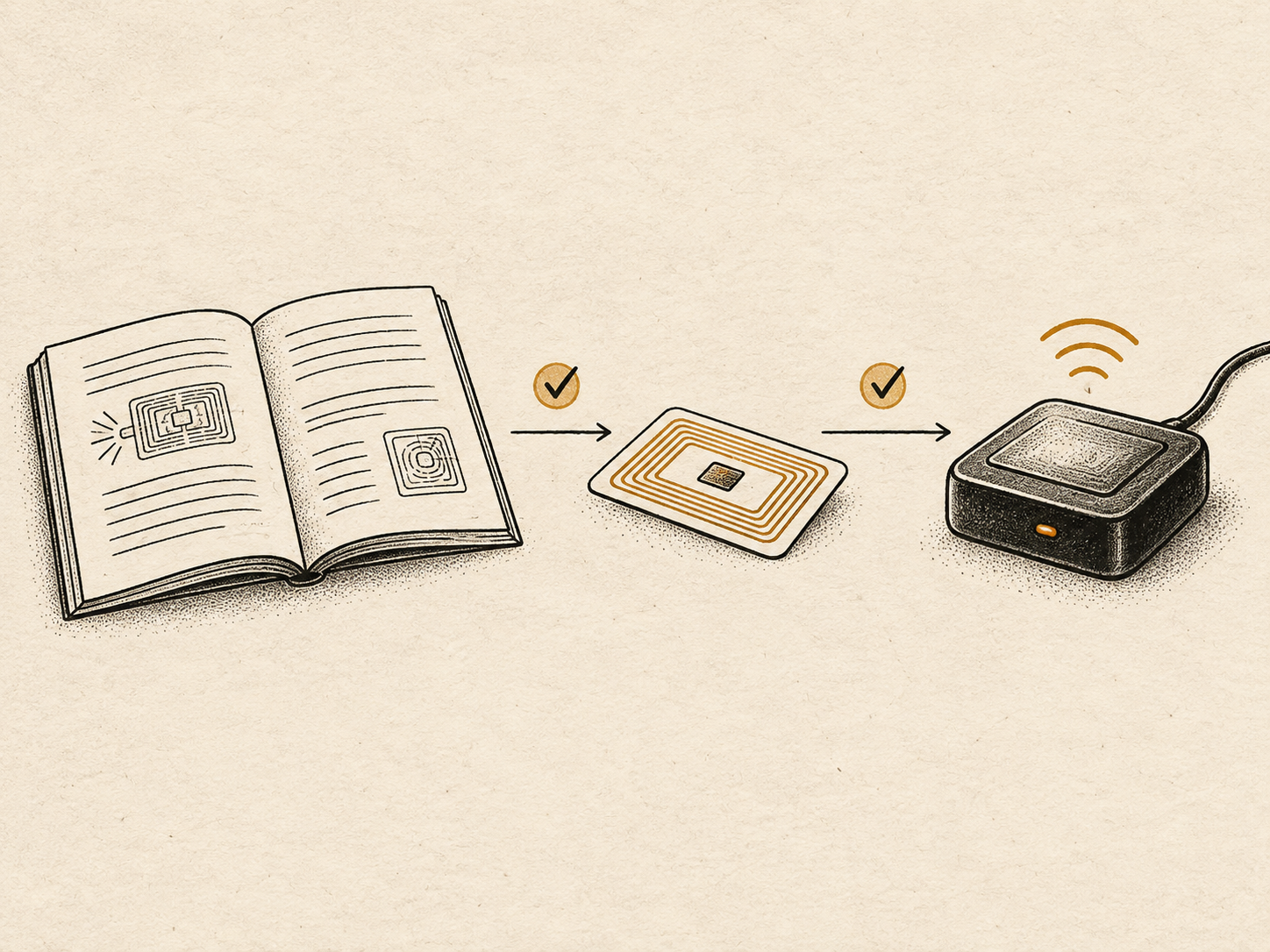
My buying check now needs three pieces. First, the current implementation guide from the maintained project. Second, a sample from the supplier lot I would actually purchase. Third, an acceptance test on the real device and current firmware, including detection and a second read afterwards.
For this batch, that means buying a sample Gen4 FUID or sealable UFUID tag first. I want to see it detected, written and read again by the current setup. Only after that is proven will I plan to order the rest and move forward with a project that’s been on the horizon for a while.